
Designing Better Digital Experiences: A Complete Guide to UI/UX Design
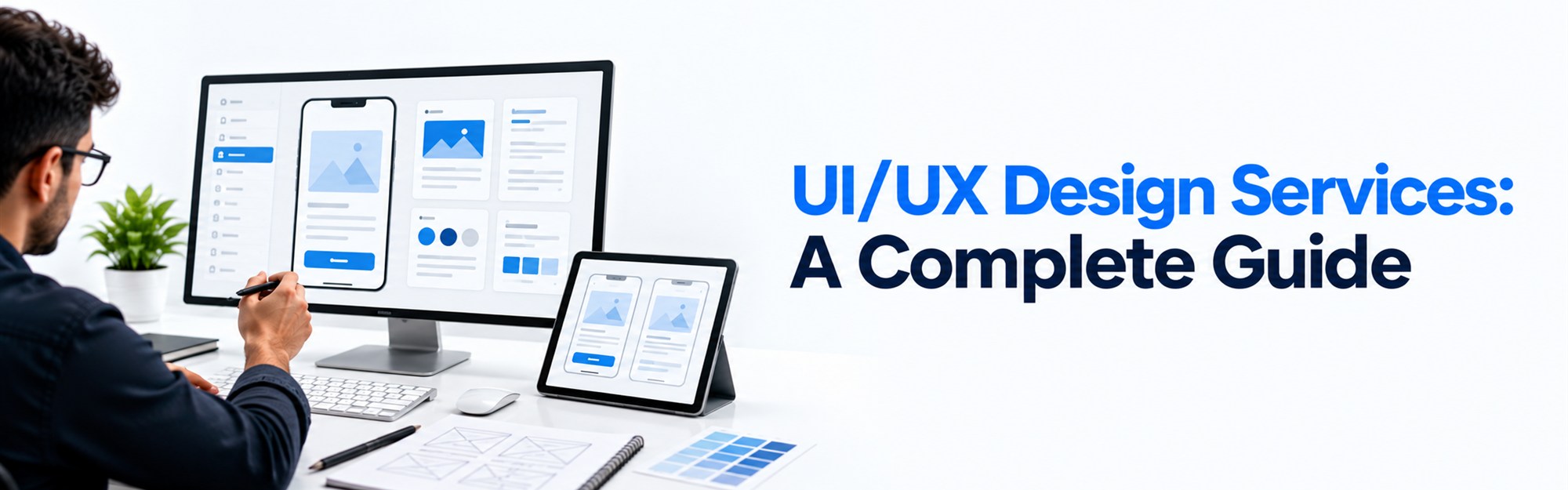
Open an app that confuses you and you'll probably close it within seconds. Open one where everything feels obvious and you'll barely notice the design at all. That difference is UI/UX design at work.
User interface (UI) design covers what people see and touch: layouts, colors, typography, buttons, icons, and other interactive elements. User experience (UX) design covers the bigger picture, meaning how easily someone can accomplish a goal, how they feel along the way, and whether the product fits their needs. UI is how a product looks and responds. UX is how the whole journey works.
Both matter for websites, mobile applications, SaaS platforms, and every other digital product. Good design improves usability, accessibility, engagement, and overall customer experience. Because it blends research, psychology, visual craft, and technical awareness, many businesses bring in professional expertise. Infotiqq.com offers UI/UX design and technology services for teams that want their digital products to be clear, consistent, and easy to use.
What Is UI/UX Design and Why Does It Matter?
UI/UX design is the practice of shaping digital products around the people who use them. It brings together several disciplines:
- Visual design: the look and feel, including color, type, and imagery.
- Navigation and information architecture: how content is organized and found.
- Interaction design: how elements respond to taps, clicks, and gestures.
- Usability and accessibility: making products workable for everyone, including people with disabilities.
- User journeys: the steps people take from first contact to completing a goal.
- Responsive design: layouts that adapt to phones, tablets, and desktops.
UI focuses on the visual and interactive elements, while UX looks more broadly at how users experience the product. A beautiful interface with a confusing flow fails, and a logical flow with a cluttered interface frustrates. The two work best together.
Why Businesses Need Professional UI/UX Design Services
Modern users compare your product with the best experiences they've had anywhere. Professional UI/UX design services help you meet that bar by focusing on:
- Better usability and clearer navigation
- Consistent visual design across screens
- Improved user engagement
- Mobile-friendly experiences
- Stronger accessibility
- Less user confusion
- Closer alignment between business goals and user needs
Good design is not decoration. It rests on user needs, business objectives, research, and the type of product being built. Infotiqq.com provides UI/UX design services with this research-informed mindset, treating each product as unique rather than applying a generic template.
What Does a UI/UX Design Company Do?
A UI/UX design company guides a product from an idea to a polished, developer-ready design. The work typically includes:
- User and competitor research to understand audiences and the market
- User personas and journeys to represent real needs and behaviors
- Information architecture to organize content and features logically
- Wireframing and prototyping to test structure and flow early
- Visual design and design systems for a consistent, scalable interface
- Usability testing to find problems before release
- Developer handoff with clear specifications and assets
Designers rarely work alone. They collaborate with developers on feasibility, with product managers on priorities, and with business stakeholders on goals. Infotiqq.com brings this collaborative approach to UI/UX design alongside its wider technology services.
Key Stages of the UI/UX Design Process
Understanding Users and Business Goals
Everything starts with questions. Who are the users? What problems are they trying to solve? What should the product achieve for the business? Clear answers keep later decisions grounded.
Research and Information Architecture
Interviews, surveys, and competitor analysis reveal user expectations and market gaps. Information architecture then arranges content into logical groups, labels, and menus so people can find things without effort.
Wireframing
Wireframes are simple, low-fidelity layouts that show structure, functionality, and navigation before any visual styling. Changing a wireframe is quick and inexpensive, which makes it the right place to settle big decisions.
Prototyping
Interactive prototypes let teams and test users click through flows as if the product already existed. This makes it easier to spot awkward steps and gather feedback early.
UI Visual Design
Here the structure gains its look: typography, spacing, color, icons, reusable components, layouts, and visual hierarchy that guides the eye to what matters most.
Usability Testing
Watching real people use a design uncovers issues the team can no longer see. Fixing them before development or release saves time and effort.
UI/UX Audit Services for Better Digital Products
A UI/UX audit is a structured review of an existing website or application to find where users struggle and where the experience can improve. UI/UX audit services examine navigation, page structure, user flows, visual hierarchy, consistency, accessibility, mobile responsiveness, forms, calls to action, interaction patterns, content presentation, and usability issues that may affect conversions.
The result is a clear picture of friction points and a prioritized list of improvements.
What a UI/UX Audit Can Identify
- Confusing navigation
- Inconsistent design elements
- Difficult user journeys
- Poor information hierarchy
- Unclear calls to action
- Overloaded screens
- Mobile usability problems
When Should a Business Consider a UI/UX Audit?
An audit is worth considering when engagement is declining, users are giving poor feedback, or conversion paths seem to leak. It's also a smart first step before a product or website redesign, application modernization, or new feature development. Infotiqq.com can review your existing product and turn findings into practical design recommendations.
Dashboard UI Design for Data-Driven Applications
Dashboards help people monitor, analyze, and act on data. Unlike a marketing website, which guides visitors toward a message, a dashboard serves repeat users who need to scan a lot of information quickly and make decisions.
Effective dashboard UI design draws on data hierarchy, information architecture, charts and graphs, tables, filters, navigation, cards, notifications, status indicators, responsive layouts, and customizable views. The goal is helping users understand complex information without overwhelming them.
Principles of Effective Dashboard Design
- Clear visual hierarchy: the most important metrics stand out first.
- Relevant information: show what users need, not everything available.
- Consistent components: cards, tables, and filters behave predictably.
- Logical grouping: related data sits together.
- Readable data visualization: choose chart types that fit the data.
- Minimal clutter: white space is a feature.
- Easy navigation: users move between views without getting lost.
- Responsive behavior: layouts adapt across screen sizes.
Infotiqq.com can support businesses building dashboards and other data-driven digital products, from structure and wireframes to the final interface.
Finding UI/UX Designers Near Me
Many people begin with a search for UI/UX designers near me, and local availability can help with meetings and workshops. But proximity is only a starting point. What matters more is whether the designers understand your product, users, and goals.
When evaluating designers, look at:
- Portfolio quality and relevance
- Industry experience
- Research skills and UX thinking
- UI craft and prototyping capabilities
- Design process and communication
- Collaboration with developers
- Understanding of business objectives
A designer with the right expertise, working remotely or in person, will often serve you better than one who is simply nearby. Infotiqq.com works as a UI/UX service provider that combines design with technology know-how.
UI/UX Design for Websites, Mobile Apps, and SaaS Products
Different products call for different design thinking.
Website UI/UX Design
Websites need clear navigation, well-structured content, responsive layouts, obvious conversion paths, and accessibility for all visitors.
Mobile App UI/UX Design
Mobile design revolves around touch interactions, thumb-friendly navigation, varied screen sizes, gestures, smooth onboarding, and overall app usability.
SaaS Product Design
SaaS products often involve dashboards, multi-step workflows, user roles, complex functionality, data presentation, and recurring daily use. Design must reduce complexity while keeping power users productive.
Benefits of Investing in Professional UI/UX Design
Better Usability
Intuitive interfaces make products easier to understand and use, so people spend less time figuring things out.
Improved User Engagement
Thoughtful experiences encourage users to explore, return, and interact with more of what a product offers.
Consistent Brand Experience
Design systems and consistent visual elements make every screen feel like part of the same product.
Reduced User Friction
Finding confusing steps and unnecessary complexity smooths the path users take to complete tasks.
Better Product Adoption
Clear onboarding and intuitive workflows help new users understand a product and get value sooner.
Better design creates better conditions for success, but it doesn't automatically guarantee conversions or revenue. Results still depend on the product, market, and execution.
Common UI/UX Design Mistakes Businesses Should Avoid
- Designing without understanding users: start with research, not assumptions.
- Too much information on one screen: prioritize and break content into steps.
- Complicated navigation: keep menus simple and labels familiar.
- Inconsistent components: build a design system.
- Ignoring mobile users: design for small screens from the start.
- Poor accessibility: consider contrast, text size, and keyboard use.
- Weak visual hierarchy: make the primary action unmistakable.
- Unclear calls to action: use direct, specific wording.
- Skipping usability testing: even a small test reveals real problems.
- Designing only for aesthetics: beauty should support function.
How to Choose the Right UI/UX Design Partner
Choose a partner based on your specific project rather than generic claims. Review their relevant portfolio, UX research capabilities, design methodology, industry understanding, prototyping skills, and communication style. Ask about design systems, accessibility awareness, how they work with developers, and what post-design support they provide. A good partner will ask thoughtful questions about your users and goals before proposing solutions.
Why Choose Infotiqq.com for UI/UX Design?
Infotiqq.com provides UI/UX design and technology services for businesses looking to improve their digital products. Relevant areas include:
- UI/UX design
- Website design
- Mobile app design
- Dashboard design
- UX audits
- Wireframing and prototyping
- Design systems
- User experience improvement
Because design and technology sit under one roof, ideas can be shaped with development realities in mind. The focus is on clear communication, practical solutions, and interfaces built around real users, not exaggerated promises.
How to Get Started With UI/UX Design
- Define the product and business goals.
- Understand the target users.
- Identify user problems.
- Review the existing product, if one exists.
- Conduct UX research.
- Create user flows and information architecture.
- Develop wireframes.
- Create prototypes.
- Design the visual interface.
- Conduct usability testing.
- Finalize designs and hand them off to development.
- Keep improving based on user feedback.
If you'd like support along the way, Infotiqq.com is a company you can approach for UI/UX design requirements.
Conclusion
UI/UX design shapes how people experience your digital products. Usability and visual design are two halves of the same job: an interface should look right and work right. Research and user-centered thinking keep both grounded in real needs rather than guesswork.
Regular reviews through UI/UX audit services help catch friction early, and thoughtful dashboard UI design turns dense data into clear decisions. Working with experienced UI/UX professionals, whether through a UI/UX design company or an in-house team, gives your product a stronger foundation. Infotiqq.com can support businesses with UI/UX design requirements from first research through final handoff.
Frequently Asked Questions
UI/UX design services cover the research, planning, and design of digital products so they are usable, accessible, and visually consistent. They typically include user research, information architecture, wireframing, prototyping, visual design, usability testing, and developer handoff for websites, mobile apps, SaaS platforms, and dashboards.
A UI/UX design company takes a product from idea to development-ready design. It researches users and competitors, maps journeys, builds wireframes and prototypes, creates the visual interface and design system, tests usability, and works with developers so the final product matches the intended experience.
UI/UX audit services review an existing website or app to find usability and design problems. Reviewers examine navigation, layout, user flows, accessibility, mobile responsiveness, forms, and calls to action, then provide prioritized recommendations for reducing friction and improving the experience.
Good dashboard UI design helps users read complex data quickly and act on it confidently. Clear hierarchy, logical grouping, readable charts, useful filters, and minimal clutter prevent overload, making dashboards practical for daily monitoring and decision-making rather than a wall of numbers.
Searching for the best UI/UX designers near me is a fine starting point, but judge candidates on more than location. Review portfolios, research skills, design process, communication, and experience with products like yours. A well-matched team, local or remote, will usually deliver better results than the closest one.
UI design deals with the visual and interactive elements users see and touch, such as layouts, colors, typography, and buttons. UX design covers the entire experience, including research, flows, and whether users can achieve their goals easily. UI is one part of UX, and both work together.
It depends on the product's size, complexity, and the amount of research and testing involved. A focused audit or small website may take a few weeks, while a complex app or SaaS platform can take several months. A good provider will outline a timeline after understanding your requirements.
UX research shows who your users are, what they need, and where current solutions fall short. It replaces assumptions with evidence, which reduces the risk of building the wrong features or confusing layouts. Early insights also save time by catching problems before development begins.




